Feb
16
2026
By content-manager
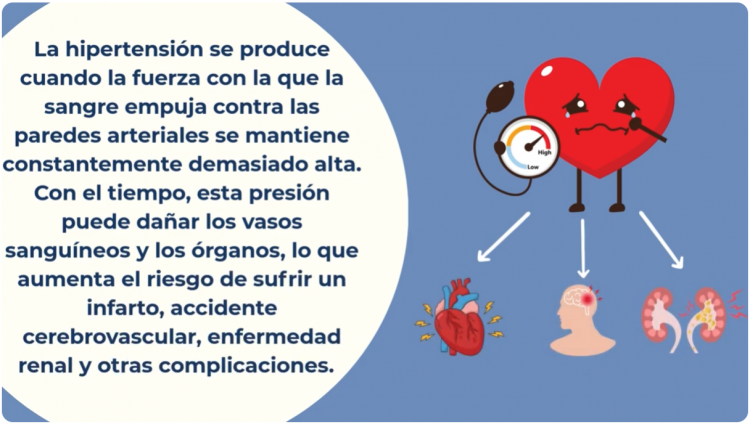
Our video on hypertension has now been translated into Spanish - check it out here!
Our video on hypertension has now been translated into Spanish - check it out here!
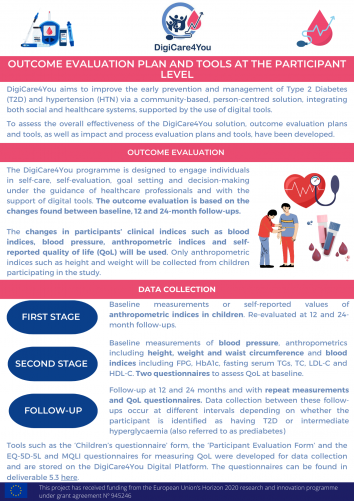
How will DigiCare4You assess the effectiveness of the solution?
At the participant level, the outcome evaluation is based on the changes found between baseline, 12 and 24-month follow-ups in clinical indices including various blood measurements, blood pressure, anthropometric values and self-reported quality of life.
Read more here.
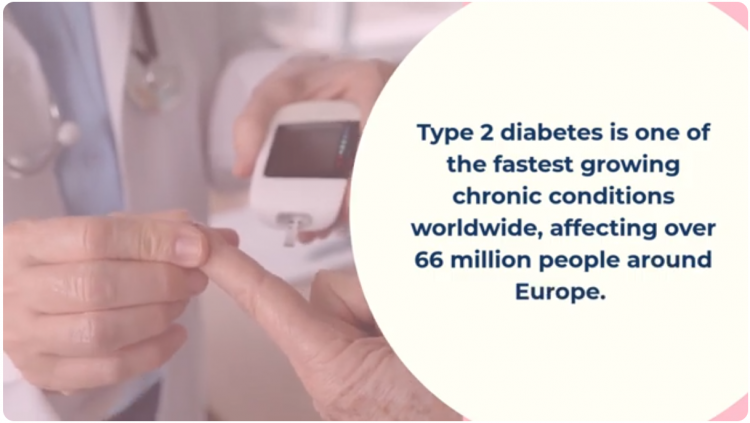
Type 2 diabetes occurs when the body becomes resistant to insulin or doesn't produce enough of it leading to elevated blood glucose levels over time.
Learn more about type 2 diabetes - it's symptoms and risk factors - in our new video!
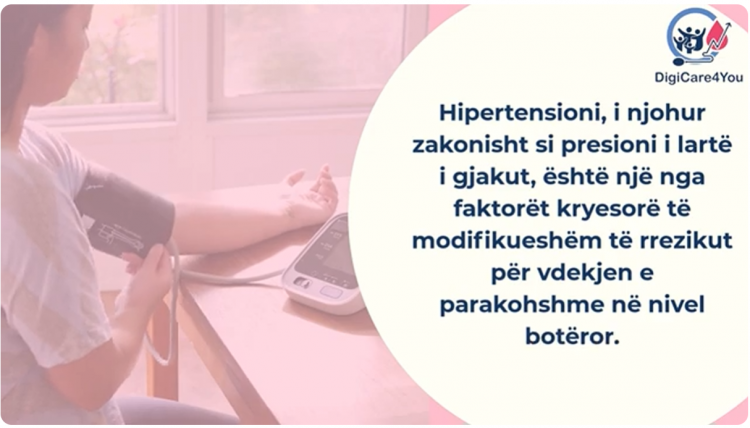
Hipertensioni, i njohur zakonisht si presioni i lartë i gjakut, Ai prek afërsisht 1.28 miliardë të rritur në të gjithë botën. I referuar si “vrasësi i heshtur”, shumë individë janë të pavetëdijshëm për gjendjen e tyre dhe nuk trajtohen, derisa ndodh një dëmtim i konsiderueshëm. Kontrolli i presionit të gjakut është e vetmja mënyrë për të ditur nëse keni hipertension apo jo. Our video on hypertension has now been translated into Albanian - check it out here.
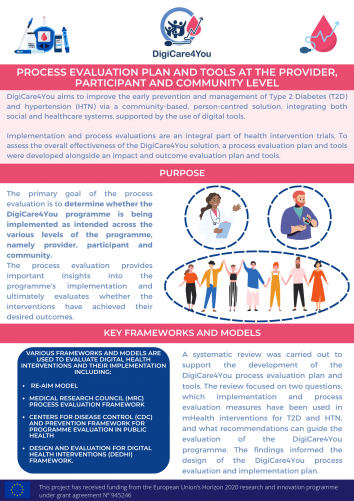
Implementation and process evaluations are an integral part of health intervention trials. To assess the overall effectiveness of the DigiCare4You solution, a process evaluation plan and tools were developed to evaluate whether the programme was implemented as planned across the various levels and stages of the programme.
Read more about the process evaluation here.
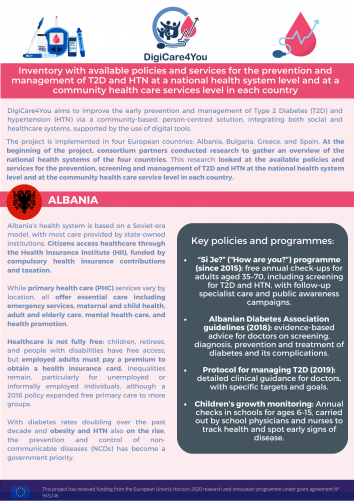
Curious to learn about the policies and programmes that exist for the prevention and management of type 2 diabetes and hypertension in the DigiCare4You implementation countries?
Read more about how the health systems in Albania, Bulgaria, Greece and Spain are organised, along with their key policies and programmes here.
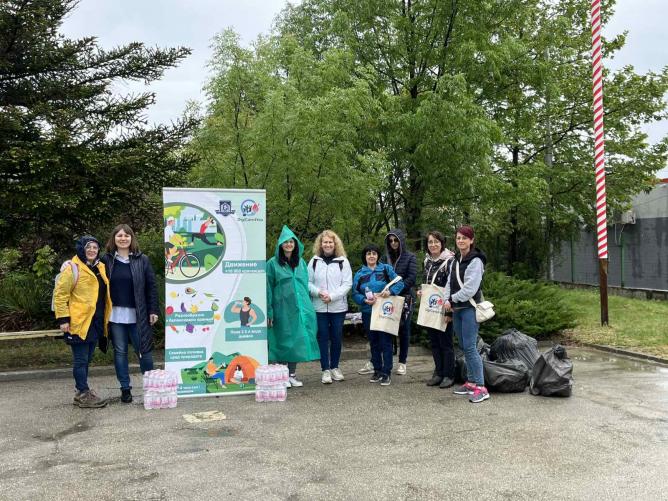
Creating healthier and more supportive local environments plays an important role in the prevention and management of type 2 diabetes and hypertension. Engaging individuals, families and schools can help foster conditions that support sustainable behaviour change and promote overall wellbeing within communities.
In May 2025, a series of community-based activities designed to raise awareness of, and encourage, healthier behaviours among diverse population groups were implemented in Bulgaria.

DigiCare4You aims to improve the early prevention and management of Type 2 Diabetes and hypertension via a community-based, person-centred solution, integrating both social and healthcare systems, supported by the use of digital tools.
As an implementation research project, DigiCare4You must follow legal and ethical standards to ensure the protection of participant data and privacy, the integrity of the research process, and compliance with relevant regulations while achieving its objectives.
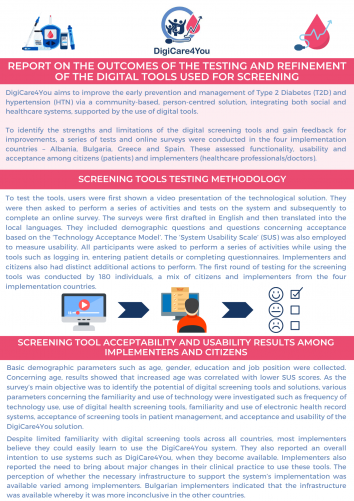
To identify the strengths and limitations of the digital screening tools and gain feedback for improvements, a series of tests and online surveys were conducted in the four implementation countries.
The system was accepted by users, considered easy to learn, and received high ratings for usability, highlighting the potential of DigiCare4You’s digital tools to enhance community-based screening services for both citizens and health professionals.